 Canada
The tracker changes what fans can see — and what Herdman can hide
Forty-two days before Canada opens the 2026 tournament on June 12, a fan-built squad tracker has done something no public tool managed during the 2022 Qatar cycle: it has made CANMNT selection mathematics visible in real time. We think that transparency is a pressure Herdman cannot afford to underestimate, because it converts private form management into a public accountability exercise — and Canada's depth chart does not survive that scrutiny cleanly.
What the tracker actually does
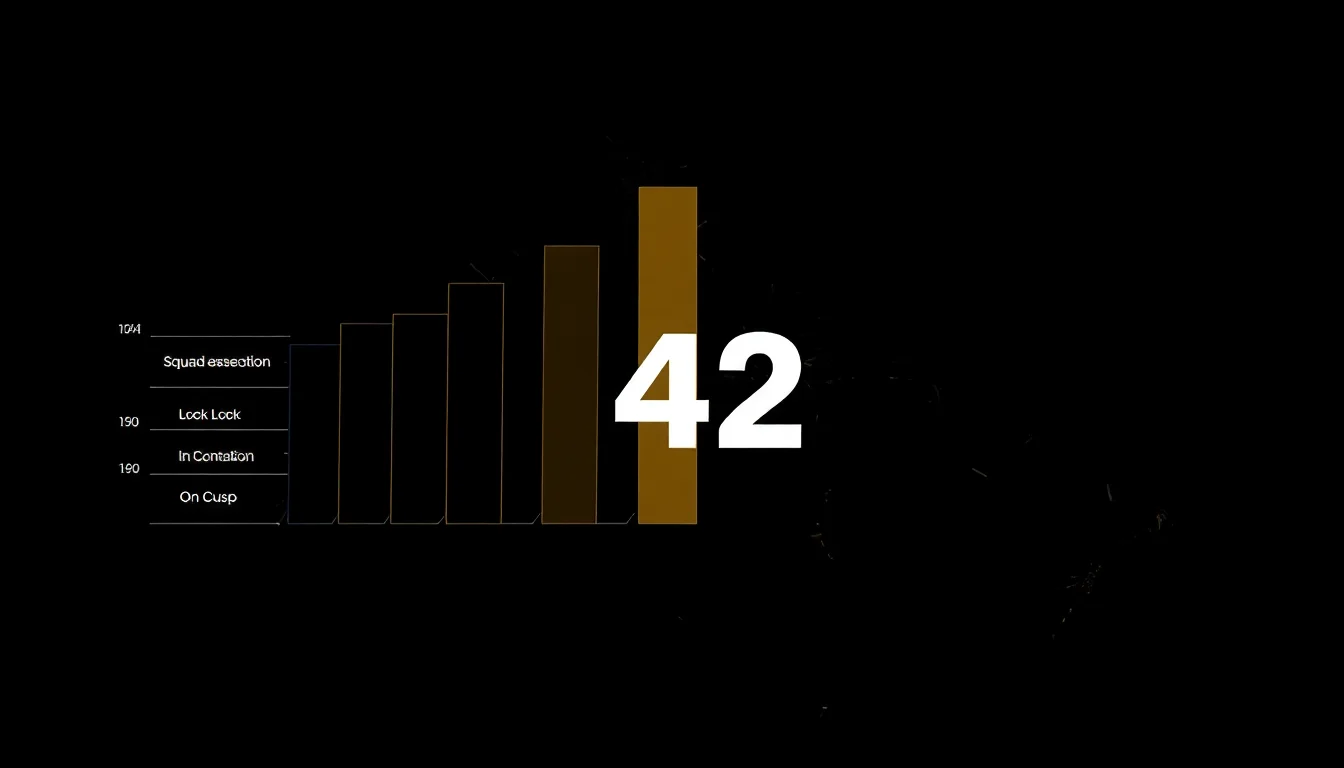
The tool — announced on May 1, 2026 — categorises players across the full CANMNT pool into three tiers: Lock, In Contention, and On Cusp. It pulls live club performance data from European and North American leagues and updates nightly, meaning a poor run of form at club level registers in the tracker within 24 hours. Nothing comparable existed in the 2022 Qatar preparation window; coaches and federations managed this data internally, and supporters were left working from rumour and camp-call announcements. That information asymmetry is now gone.
The practical consequence is significant. Where Canada's depth thins — and it does thin, particularly in wide attacking positions and at centre-back cover — the On Cusp tier makes that visible to anyone paying attention. Players flagged at that tier are not fringe names kept quiet by the federation; they are selections Herdman may genuinely need to make, now tracked against weekly club minutes and output data.
The history that gives this urgency
Canada's 2022 Qatar group stage exit arrived with a squad that had relatively few contested selection spots by the time the final roster was announced. The depth question was theoretical. In 2026, Canada enters as a co-host, carrying expectation that was Canada kit absent four years ago, and the player pool has expanded — but expanded unevenly. Attackers Alphonso Davies and Jonathan David carry a weight of output that no other tier of the squad matches, and the tracker's nightly updates will make any dip in their club form immediately legible to the public. That is not a comfortable position for a coaching staff managing match fitness and media scrutiny simultaneously.
The counter-argument is real — but it does not hold up entirely
The strongest objection here is the right one: a public tracker is a fan engagement tool, not a technical vulnerability. Coaches have always tracked form and injury data privately, and public visibility of that same data creates legitimate accountability rather than operational damage. Herdman's selection philosophy does not change because supporters can see a nightly update. That argument is correct as far as it goes. Where it stops working is at the intersection of media pressure and squad morale. When a player's status shifts from Lock to In Contention on a publicly accessible tool — and that shift is reported, as it will be — the internal management of that player's confidence becomes materially harder. Public transparency and private squad management are not as separable as the counter-argument assumes.
Our verdict: 42 days, no margin for quiet decisions
We are not arguing the tracker compromises Canada's preparation. We are arguing it removes the option of managing selection quietly, and Canada's depth at this point in the cycle means Herdman will need to make at least two or three calls that are genuinely difficult to defend publicly. The tracker will find those calls before he makes them. By the time the roster is announced, supporters will have watched 42 days of nightly updates tell them exactly where the pressure points are. We expect the On Cusp tier to generate the most consequential football conversation in Canadian history before June 12 arrives. That is what genuine squad depth scrutiny looks like — and Canada is getting it for the first time.
This article was researched and drafted with AI assistance and reviewed by our editorial team.