 France
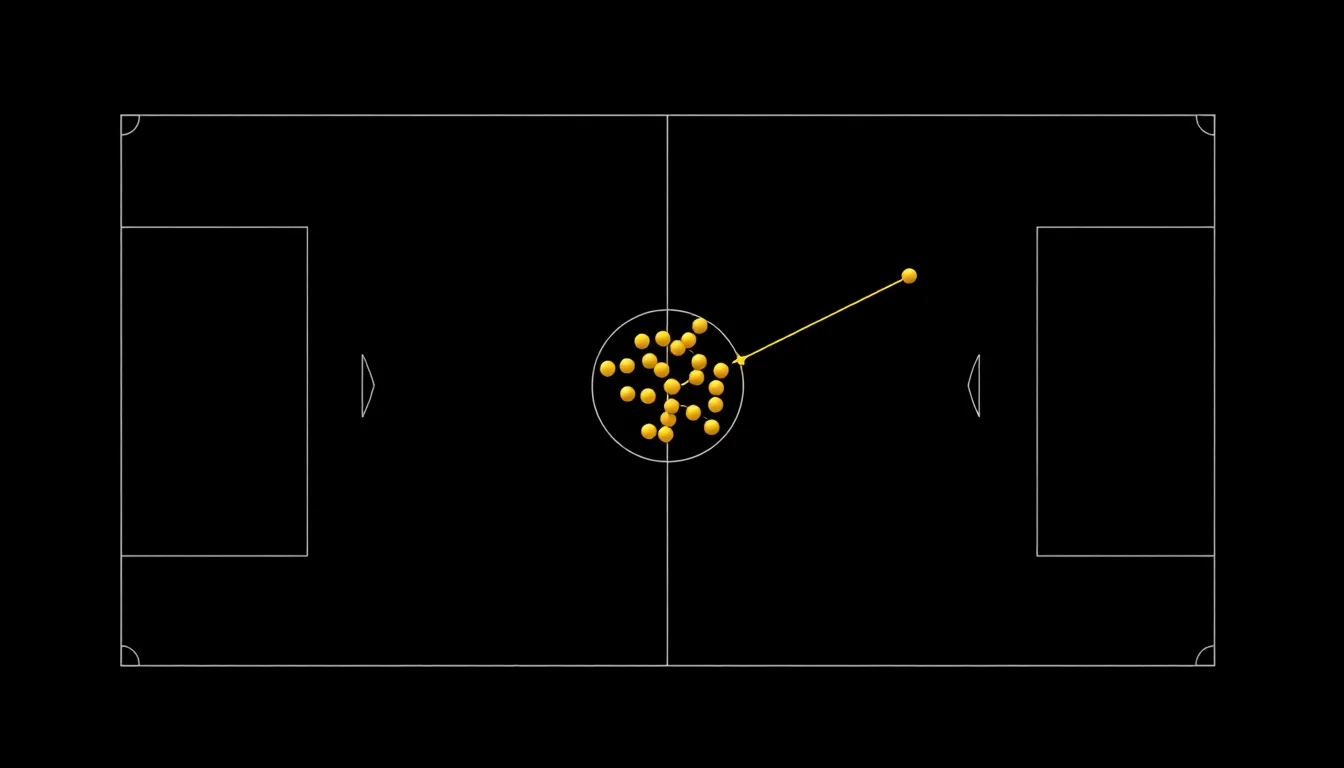
France's 2026 squad construction is a tactical miscalculation, and we are saying that before a ball is kicked at the 2026 tournament. Four to five dedicated midfielders in primary rotation signals a philosophy shift away from the Mbappé-led transition game that made France genuinely dangerous in 2022, and toward a possession-dominant model that suits exactly one theoretical opponent.
In 2022, France's defensive transitions were triggered by Griezmann and Coman operating as pressing anchors in the half-space, converting turnovers directly into Mbappé runs in behind. Remove that mechanism and you do not simply lose two players; you lose the entire structural logic that made the counter-attack work.
France's confirmed squad composition now mirrors a Spain-style possession model, a system that requires sustained territorial control to function. Against counter-pressing sides such as Germany, or transitionally explosive squads like Brazil, that territorial control evaporates under pressure and the midfield depth becomes a liability dressed up as depth.
The counter-argument is that midfield density enables flexible systems adaptable to any opponent archetype. Flexibility without a proven transitional spine is just rotation for its own sake, and tournament football punishes teams that have not stress-tested their backup identity against elite pressing.
We are certain of this: France reach the quarterfinals, meet a high-intensity pressing side, and the midfield fails to generate the vertical speed their knockout opponents analysis demands. The possession model delivers control in group-stage matches and a wall in the knockouts. France exit without a final.
This article was researched and drafted with AI assistance and reviewed by our editorial team.