 Portugal
Portugal vs Spain: two tactical myths finally face each other
Portugal and Spain meet in the Round of 16 at AT&T Stadium with contrasting structural problems. Which tactical compromise proves more fatal in a knockout setting?
More on Portugal
One knockout goal doesn't fix Portugal's midfield crisis
Ronaldo's 20-year drought is over, but Portugal's structural fragility has never been more exposed.
Portugal's Ronaldo decoy tactic signals real knockout maturity
Bruno Fernandes confirmed that Portugal deliberately positioned Cristiano Ronaldo as a set-play decoy, allowing Nuno Mendes to execute. It is a tactical signal that should concern knockout opponents.
Portugal's Neves gambit proves the Ronaldo era is over
Joao Neves scored, Ronaldo managed zero shots on target, and the 21-year-old said what Portugal's data has been saying for years. This is not drama. It is strategy.

Portugal's midfield gamble backfires in Congo draw
Portugal's 1–1 draw with DR Congo on June 18 exposed a structural midfield problem that pre-tournament analysis had already flagged. Bruno Fernandes cannot carry a team alone, and the evidence is now live.

Portugal's midfield is not balanced, and Fernandes will pay the price
Bruno Fernandes is carrying Portugal's midfield at the 2026 tournament in both directions. That dual burden is a structural flaw, not a tactical strength.

Portugal's Golden Ball trap: Fernandes' offensive load masks defensive brittleness
Bruno Fernandes ranks among the top five predicted Golden Ball contenders at the 2026 tournament, but his dominance over Portugal's system signals structural fragility, not strength.
Tournament Prediction: Portugal
Portugal arrive at the 2026 finals ranked first in a leading tournament simulation model, carrying the heaviest expectations of any European side. The tension is structural: Bruno Fernandes is producing the best creative season of his career, yet the defensive spine behind him is visibly ageing and dangerously thin.
Portugal's aging core is a strength, not a liability
The data says Portugal's veteran squad mirrors the exact template that wins World Cups.
Portugal's striker depth is a problem nobody is talking about
Gonçalo Ramos is Portugal's Plan A, B, and C at centre-forward, and that is a tournament-level liability.
Ronaldo at 41 rewrites the World Cup age narrative
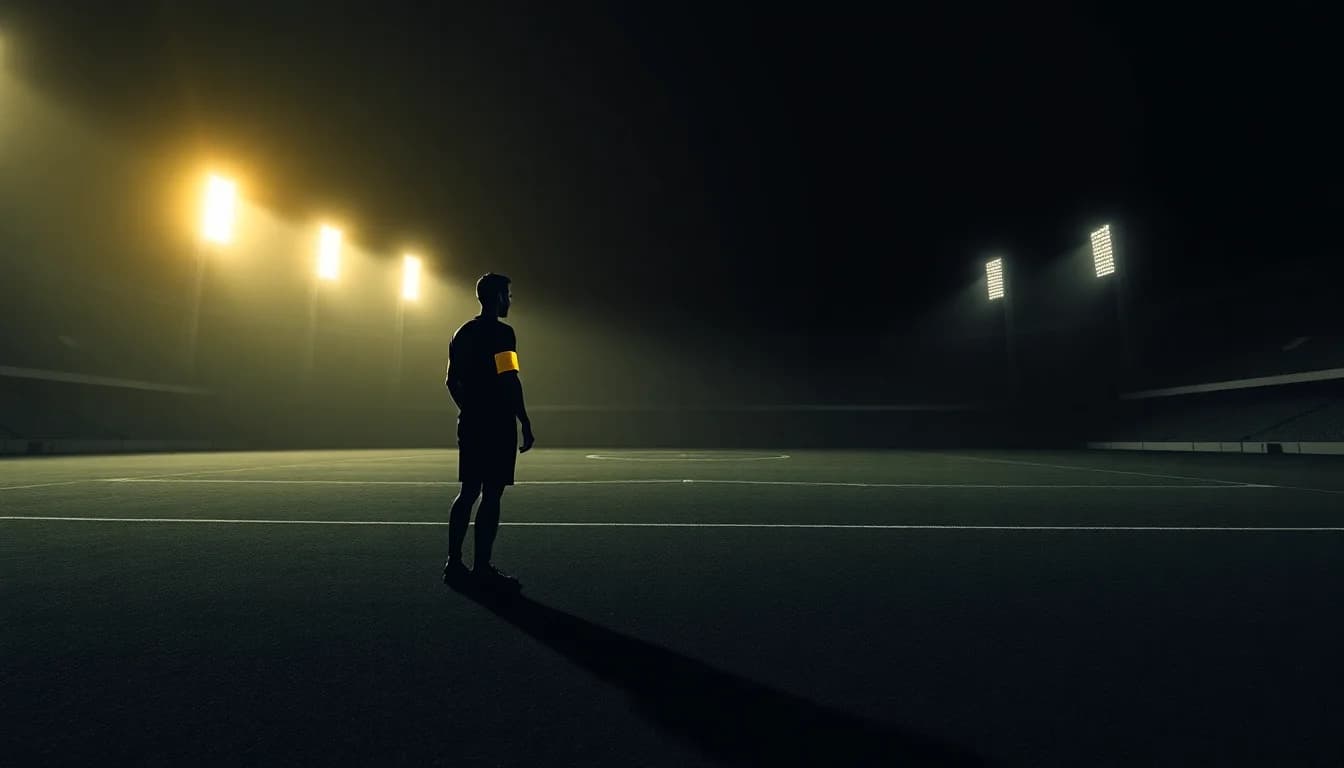
Cristiano Ronaldo joins Portugal's training camp on June 1st as captain, aged 41, preparing for a record sixth World Cup appearance. No outfield player has done this before, and no captain has come close.
Portugal's Ronaldo gamble masks centre-back catastrophe
The squad announcement looks strong on paper, but Portugal's defensive architecture is the same one that collapsed in 2024.
Portugal's center-back crisis will end their 2026 tournament early
One aging pairing, zero proven successors: Portugal's defensive spine snaps under knockout pressure.

Portugal's squad depth myth crumbles under 2026 scrutiny
The Ronaldo 'last dance' narrative is hiding a structurally fragile Portugal side.