 India
IndiaFIFA doesn't care if you can watch
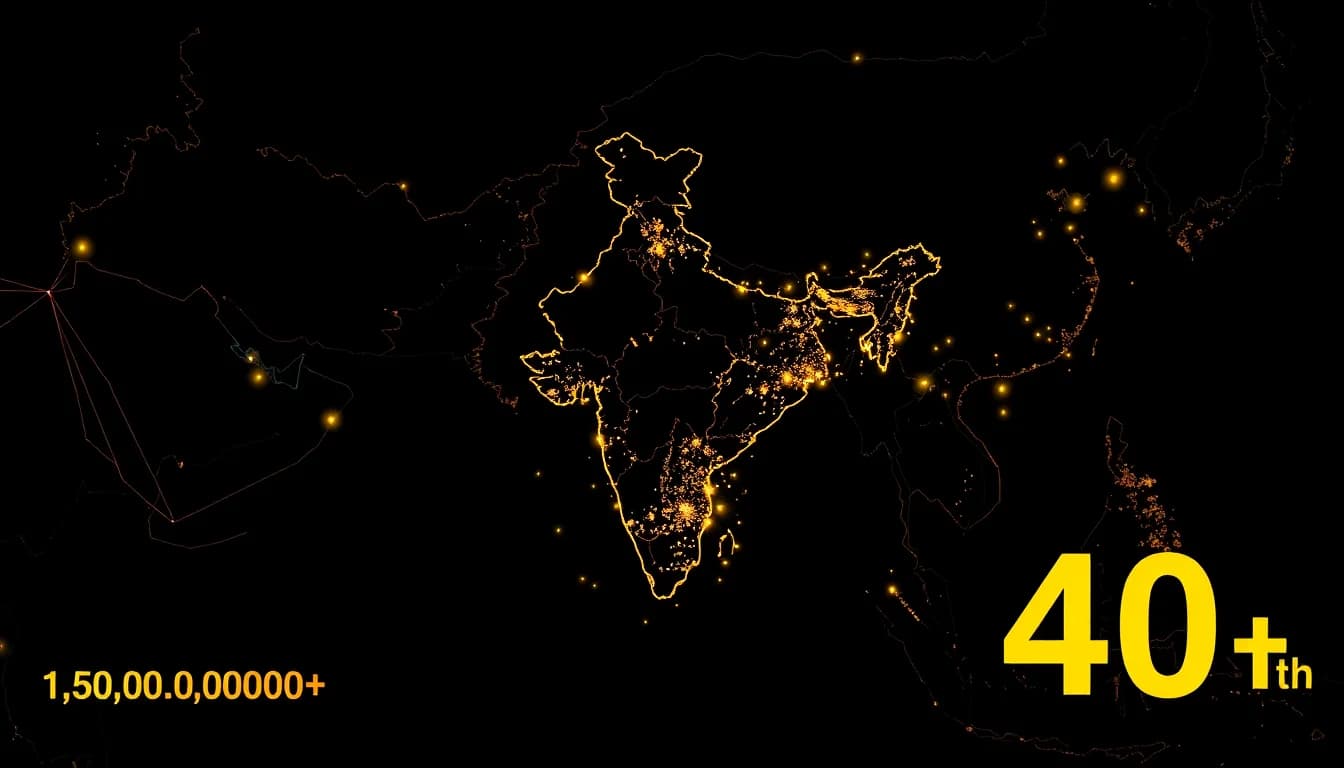
As of May 2026, India has no legal pathway to watch the 2026 tournament. Not a delayed deal, not a gap in negotiations — a confirmed broadcast blackout covering 1.4 billion people. We've heard FIFA's global-reach rhetoric for years, and this is where it lands: the world's most-watched sporting event is simply unavailable to the world's most populous democracy.
Forty days, zero deals
The numbers are stark. With fewer than 40 days until the opening match, no broadcaster or streaming platform has secured rights to carry 2026 tournament matches in India. The blackout extends beyond India's borders: five Southeast Asian nations face the same void, collectively adding hundreds of millions more people to the excluded total. Across the region, over 1.5 billion people have no announced legal access to the tournament. FIFA's own YouTube "free" tier — often cited as a goodwill gesture toward global access — remains geofenced, blocking viewers in the exact markets where broadcast deals are absent. The free tier fills the gap in wealthy markets that already have deals. In markets that don't, it offers nothing.
This is not an accident
Qatar 2022 faced broadcast fragmentation too. But rights gaps in Asia were identified and resolved with significantly more lead time. The 2026 situation, confirmed with under six weeks remaining, does not resemble an unfinished negotiation. It resembles a decision. FIFA's licensing model has always prioritized markets where broadcasters pay the highest rights fees — North America, Western Europe, the Gulf. Those deals were closed long ago. The remaining gaps cluster, with suspicious consistency, in high-population, lower-purchasing-power markets. That pattern is not a coincidence of timing. It is the model.
The licensing-complexity defence doesn't hold
The strongest counter-argument is a reasonable one: broadcast rights negotiations are genuinely complex, India's local streaming and cable ecosystem is fragmented, and the gap may reflect broadcaster reluctance to meet FIFA's asking price rather than FIFA actively excluding Indian viewers. That's partly true. JioCinema, Disney+ Hotstar, and Sony LIV have all previously held rights to major tournaments, so the infrastructure exists. But this defence quietly shifts the blame while leaving FIFA's role unexamined. FIFA sets the floor price. FIFA controls the timeline. FIFA decides whether to adapt its model for markets where aggregate audiences dwarf any European equivalent. Forty days out, with 1.4 billion people unserved, the complexity argument is a description of the problem, not an absolution of it. If FIFA wanted a deal in India, there would be a deal in India.
What this says about global football
FIFA has built the 2026 tournament on an expanded 48-team format, explicitly marketed as the most globally representative event in football history. Forty-eight nations. Six confederations. Football finally belonging to everyone. We find that claim difficult to sustain when the tournament is unavailable to watch in the country that houses one in six people on earth. The 2026 tournament will be played across the United States, Canada, and Mexico — three nations where broadcast rights were resolved years in advance. The irony is structural: the host continent is fully covered; the planet's largest markets are not. FIFA's broadcast strategy does not serve global football. It serves global football's wealthiest consumers.
Our call
We don't expect a deal to materialise in the next 40 days. The Qatar 2022 precedent shows these gaps close when there is sufficient commercial pressure and lead time — neither of which exists here. What we expect instead is a tournament that kicks off with a billion-plus people locked out, followed by the usual post-tournament commitments to do better next time. FIFA will expand the format again, announce another partnership, and call it democratisation. The broadcast blackout in India is not a footnote. It is the clearest evidence available that FIFA's model treats access as a product to be sold, not a right to be upheld. Until the pricing structure changes, the geography of exclusion will not.
This article was researched and drafted with AI assistance and reviewed by our editorial team.