Why no new champion emerges from this semifinal four
For the first time since 1978, every team in the 2026 tournament semifinals is a previous tournament winner. History says the final destination of the trophy was settled before a ball was kicked.

More on International
Goalkeeper revolution reshaping the tactical fabric of 2026
The sweeper-keeper is no longer a tactical luxury at the 2026 tournament. Spain, France, and England are proving that a goalkeeper who cannot initiate attacks is a structural liability.
104 matches, one brutal truth: depth beats genius in 2026
The 2026 tournament features 104 matches, a 473% increase on the 1930 edition's 18. Squad depth is no longer a luxury, it is the single greatest determinant of success.

Group C's 'no margin for error' narrative is pure theatre
One team controls their fate in Group C. The other three are auditioning for second place.

The 2026 draw rigged the final before kickoff
Six top-10 nations crammed into one half means the tournament is already decided structurally.
Qatar Airways livery reveals FIFA's stadium readiness blind spot
With eleven days until kickoff, FIFA's most prominent pre-tournament messaging centres on airline branding. Venue certification gaps across North America tell a different story.
Squad snubs this week will expose which tier-one nations are truly ready
Preliminary rosters are due now, 22 days before the 2026 tournament kicks off. The omissions managers make this week will reveal more about national team health than any inclusion ever could.
BTS World Cup halftime slot signals entertainment over football
BTS has been reported as halftime performers at the 2026 tournament, citing a CBS News broadcast, though FIFA has not issued an official confirmation at time of publication. The choice lays bare a structural shift in how FIFA monetises its biggest stage.

EA FC 26's World Cup mode is now legitimate preparation intelligence
Squad simulation has crossed the line from fan entertainment into genuine tactical discourse infrastructure.
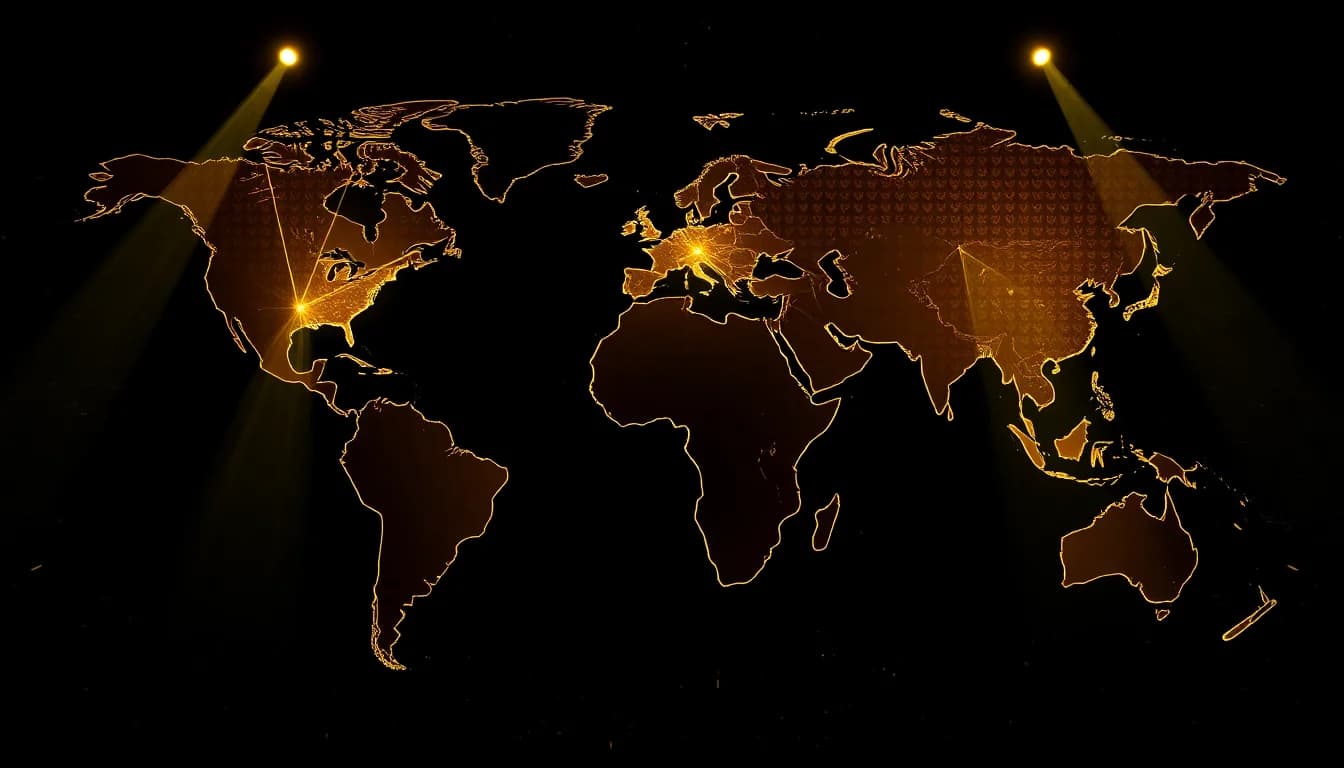
FIFA's opening ceremony performs diversity while billions get blacked out
On May 9, FIFA unveiled a five-continent opening ceremony lineup for Los Angeles. On the same day, more than 40 nations containing 1.5 billion people still had no confirmed way to watch the tournament.

FIFA's YouTube free-tier is conditional access dressed as inclusion
FIFA is promoting YouTube as the home of free World Cup 2026 content, but the first 10 minutes of every match are only free where local broadcasters choose to allow it — a condition most fans have no idea exists.

FIFA's yellow card amnesty is an admission of structural failure
Announcing a card reset six weeks before kick-off is not governance — it is damage control.
FIFA's red card overhaul weeks before kick-off is reactive governance
FIFA has approved new red card rules for the 2026 tournament just weeks before kick-off. The timing raises serious questions about whether this is standard protocol or a sign of deeper officiating problems.