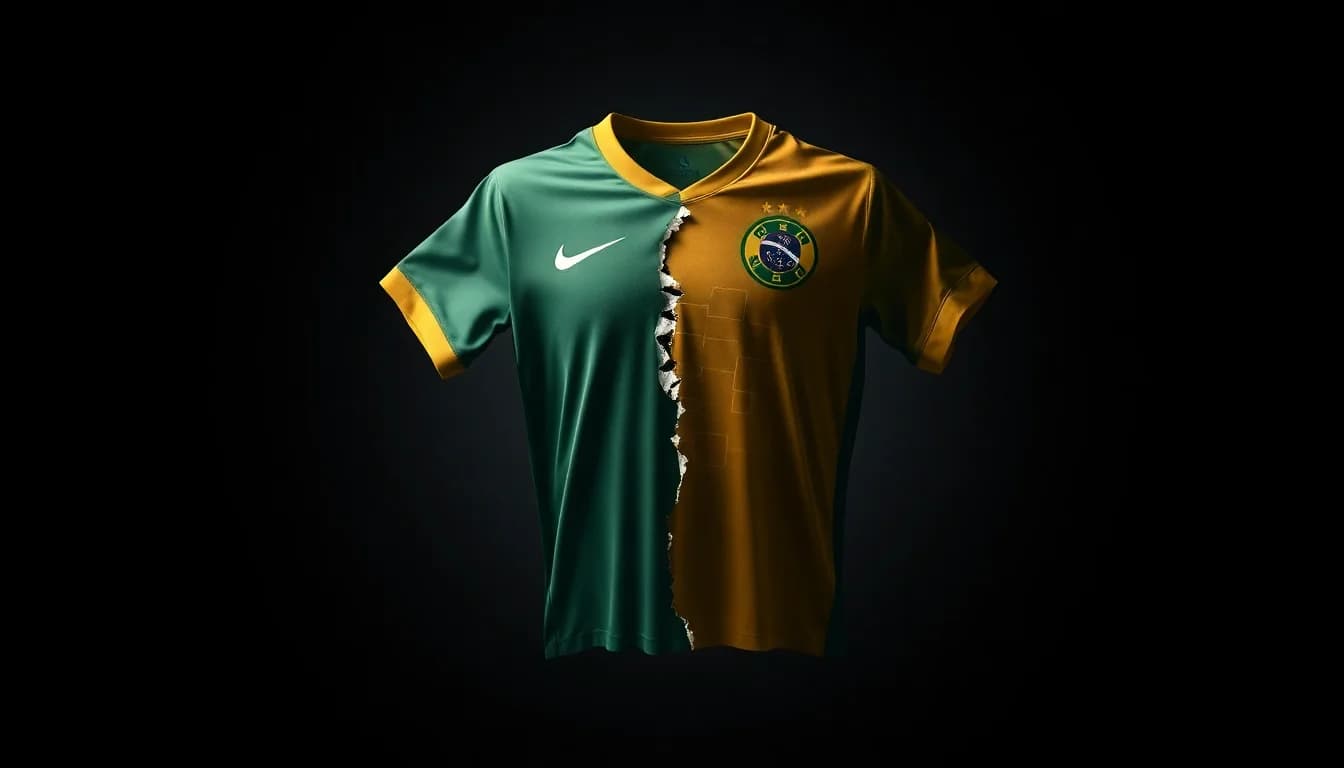
 Brazil
Tournament Prediction: Brazil
Brazil arrive at the 2026 finals under Carlo Ancelotti with genuine title credentials and a structural problem that has haunted them for two decades. Neymar's return at 34, nursing a body that has spent more time in rehabilitation than on pitches, is the central tension in every calculation about how far this squad can go.
| Stat | Value |
|---|---|
| **How far?** | Semi-finals |
| **Top scorer** | Neymar (Al-Hilal SFC) |
| **Rising star** | Unconfirmed, squad pending |
| **Potential flop** | Brazil's #9, whoever wears it |
Group C: Haiti and Scotland Won't Test Them. Morocco Might.
Group C offers Brazil the kind of draw that should produce maximum points and minimal drama in the opening phase. Haiti qualified through CONCACAF and, while no nation at this level is here by accident, the gulf in squad depth between them and Brazil is too wide to bridge over 90 minutes. Scotland present a resolute defensive shape and never lack application, but their attacking threat at this level has consistently fallen short against top-tier defenses. Two wins from those two fixtures is the floor of expectation, not the ceiling.
Morocco are the only legitimate obstacle in the group. Their 2022 run to the semi-finals, the best by an African nation in the tournament's history, confirmed a defensive solidity and tactical intelligence that earns genuine respect. Under Ancelotti, Brazil's approach to this fixture will not be the freeform attacking chaos that characterized previous regimes. The appointment signals a shift toward defensive organization and structured pressing, which should allow Brazil to manage Morocco's threat more effectively than an open game would.
We expect Brazil to top Group C with seven or nine points. The path to the knockout rounds is as clear as it gets for a nation of their quality, and a group-stage exit would represent a collapse of historic proportions. The real tournament begins in the round of sixteen, and that is where the structural questions start mattering.
Ancelotti's pedigree across Champions League campaigns at Real Madrid and his ability to organize elite squads defensively is the single most meaningful change in Brazil's setup heading into this tournament. The departure from pure attacking instinct toward systemic discipline could finally address the defensive vulnerabilities that cost Brazil in 2014 and contributed to knockout exits in the cycles that followed.
Neymar at 34: One Last Time to Mean It
Neymar's confirmation in Brazil's preliminary 55-man squad, reported by O Globo and acknowledged across the squad's social and media ecosystem, is the headline of their entire campaign. Even at 34, returning from an injury layoff that limited his competitive minutes at Al-Hilal SFC, Neymar remains Brazil's most dangerous creative force and the player most likely to produce decisive moments in tight knockout matches. Ronaldinho's public endorsement, stating that if Neymar is in good form there is no way you leave him out, reflects the consensus among those who understand what he brings to a squad.
His tournament output historically peaks early. A 34-year-old in a squad that knows this may be his final appearance at a major finals tends to receive maximum minutes and protection in the group stage, which aligns with goal accumulation when the opposition is at its weakest. The group fixtures against Haiti and Scotland are exactly the kind of games where Neymar can bank minutes, build rhythm, and arrive at the knockout rounds with momentum. Whether that body holds through five or six matches across four weeks is the question nobody can honestly answer.
On the rising star front, we cannot responsibly name a specific player at this stage. Brazil's full squad has not been confirmed beyond the preliminary group, and the brief flags clearly that no verified roster data exists beyond signals-level reporting. We will update this prediction once the final 26-man squad is announced. What we can say is that Brazil's domestic and European-based talent pool contains multiple players aged 23 or under capable of making a tournament-defining impact alongside Neymar.
Where It Could Go Wrong
Brazil have used more than five different primary strikers across their last four major tournaments. That is not bad luck or unfortunate injury timing. It is a structural design flaw, a recurring failure to identify, develop, and commit to a single credible number nine across cycles. Fred, Nilmar, Jô, and Pedro have all carried that burden and none resolved it. Whoever wears the shirt in 2026 inherits that history and the weight of expectation that comes with it. Against elite defensive blocks in the quarter-finals or semi-finals, the absence of a dominant, reliable center-forward becomes a tactical liability that no amount of Neymar creativity can fully compensate for.
The second vulnerability is the Neymar dependency itself. If he picks up a knock in the round of sixteen or arrives at the quarter-finals carrying a muscle issue, Brazil's attacking infrastructure becomes significantly thinner. Without full squad visibility, we cannot assess the depth of backup creative options, and that uncertainty is itself a warning signal. Ancelotti's defensive organization buys insurance against conceding, but tournaments are won by scoring goals in moments that matter, and right now one player holds too much of that responsibility.
Our Read
Brazil are a genuine semi-finalist and a credible, if not compelling, title contender. Group C progression is near-certain. The striker carousel problem and Neymar's age-related durability over a full knockout campaign are real enough to cost them when the opposition quality peaks. We predict a semi-final exit, which, given the structural weaknesses described above, would represent a successful but incomplete tournament.
The title requires a reliable number nine. Brazil do not have one confirmed. Until that changes, the ceiling stays at four games from glory rather than at glory itself.
This article was researched and drafted with AI assistance and reviewed by our editorial team.