 Germany
Germany's seeding myth dies in Paraguay penalty chaos
Four-time world champions Germany crashed out of the 2026 tournament in the Round of 32, beaten 4-3 on penalties by Paraguay after a 1-1 draw. Tournament pedigree, it turns out, does not paper over structural cracks.
More on Germany
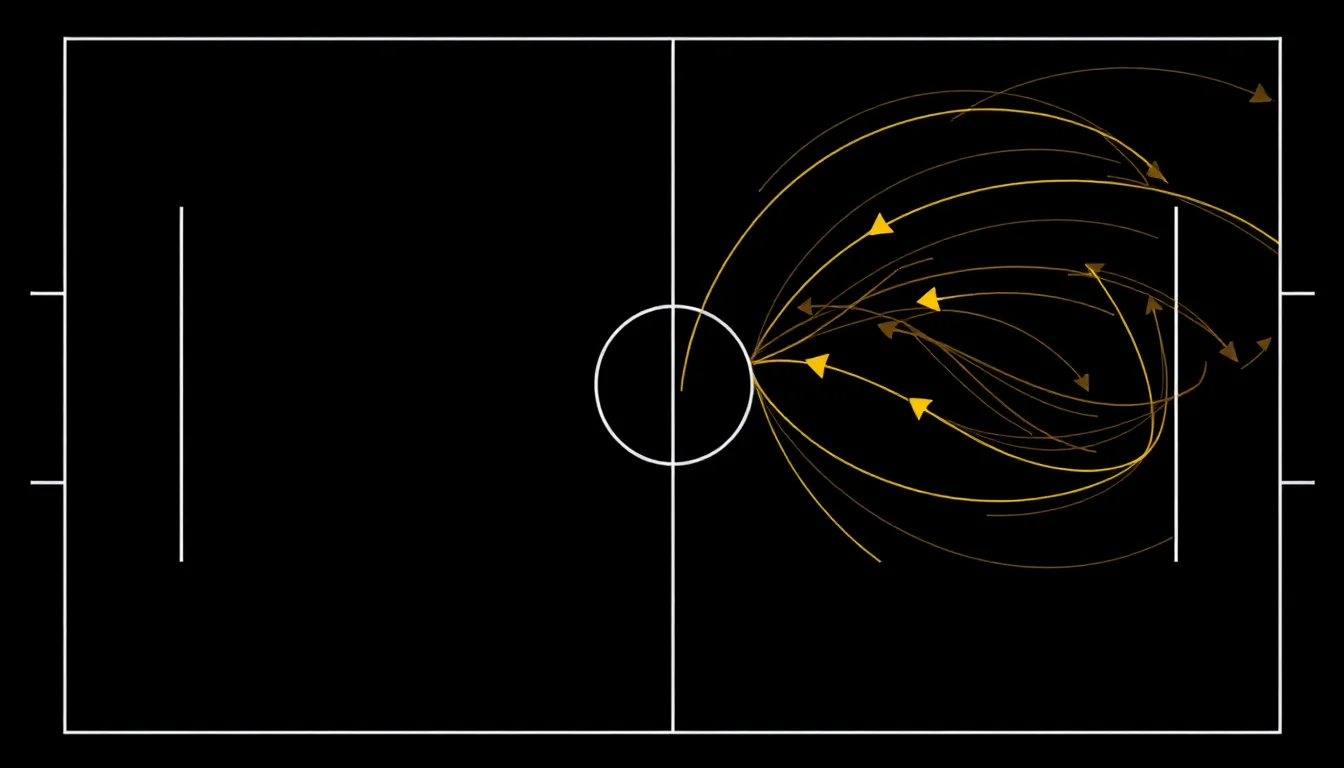
Germany vs Paraguay: explosive attack meets paranoid low block
Germany and Paraguay collide in the Round of 32 with contrasting footballing philosophies. One side brings the 2026 tournament's most potent attack; the other brings a defensive wall and nothing else.
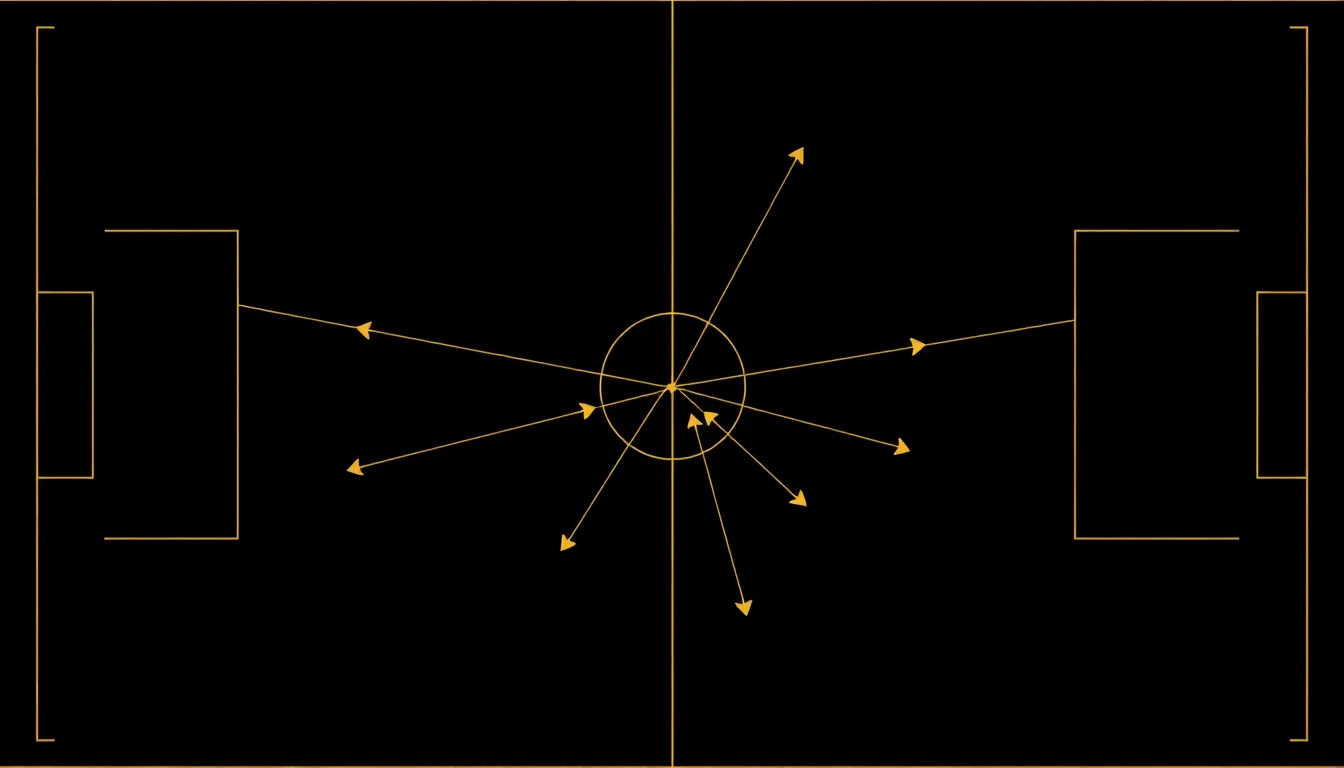
Germany's press vulnerability revealed before Ecuador knockout clash
Germany topped their group and carry the weight of tournament pedigree into the Round of 32. Ecuador carry something more dangerous: a coordinated high press built to dismantle exactly the midfield structure Germany cannot protect.
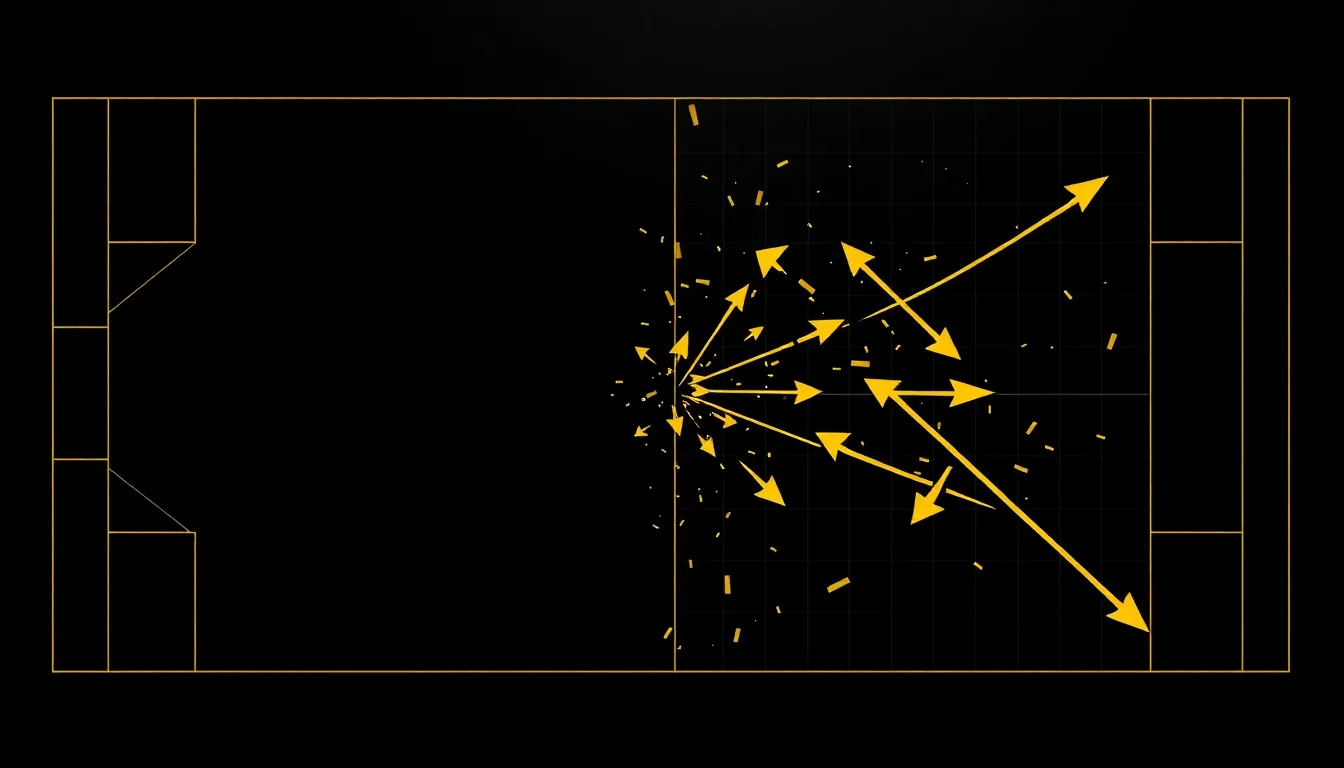
Germany's seeding means nothing against Ecuador's press
Ecuador's tactical profile is the exact nightmare Germany's midfield-dependent system cannot solve.
Lennart Karl injury doubt exposes pipeline collapse
Lennart Karl's reported fitness concern threatens to remove Germany's only viable centre-forward option ahead of their opening match. Julian Nagelsmann must now rebuild his attacking system from scratch.
Lennart Karl's injury exposes Germany's broken striker pipeline
The German Football Federation confirmed on June 6 that forward Lennart Karl has been ruled out of the 2026 tournament through a training injury, stripping further depth from a position Germany has chronically underdeveloped for two decades.
Germany's striker crisis deepens as World Cup preparations conclude
With six days until the 2026 tournament begins, Germany's attacking options remain fragmented. Pre-tournament friendlies have exposed a structural imbalance that midfield creativity alone may not fix.
Germany's midfield isn't collapsing, it's being rebuilt wrong
Germany's 2026 squad names an ageing midfield with zero proven defensive cover under 25 and a ball-recovery ranking that should alarm Nagelsmann before a ball is kicked.
Germany's midfield collapse is structural, not a recruitment lag
Eighteen months of domestic recruitment have produced no Kimmich heir and no Kroos successor.
Germany's midfield collapse won't be solved by 2026 group stage
The crisis is structural, not cyclical, and 18 months is nowhere near enough time.
Germany's midfield aging crisis will accelerate in group stage
Germany arrive at the 2026 tournament with the oldest Tier 1 midfield in the competition. The numbers suggest the group stage will expose structural vulnerabilities before knockout football even arrives.
Tournament Prediction: Germany
Germany arrive at the 2026 finals as one of Europe's most structured outfits, backed by Hansi Flick's system continuity and a squad drawn from the continent's elite clubs. The central tension is whether an unfinished midfield rebuild will hold up when the knockout rounds deliver exactly the kind of press-resistant, tactically sophisticated opponents that exposed Germany's transitional core in recent cycles.
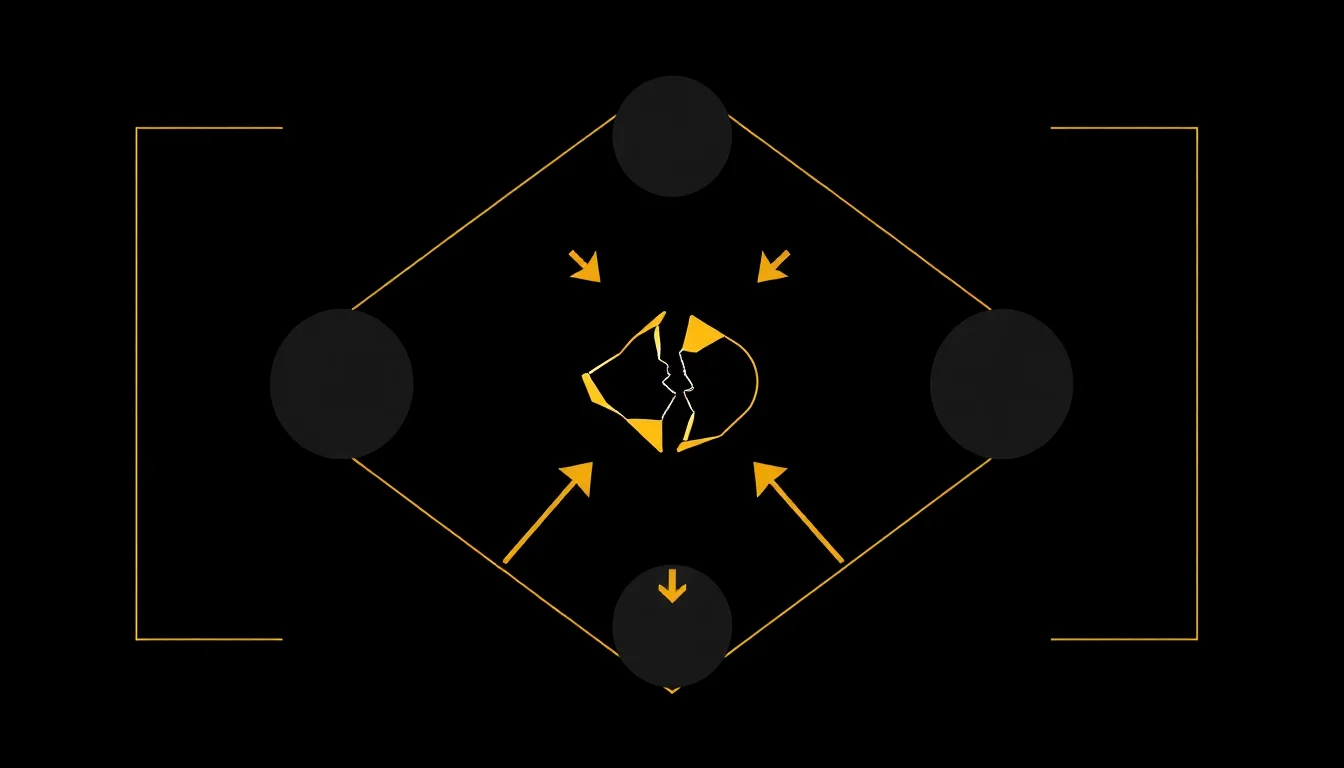
Germany's squad depth cannot fix its midfield problem
Adding bodies to a broken system gives you a bigger broken system.
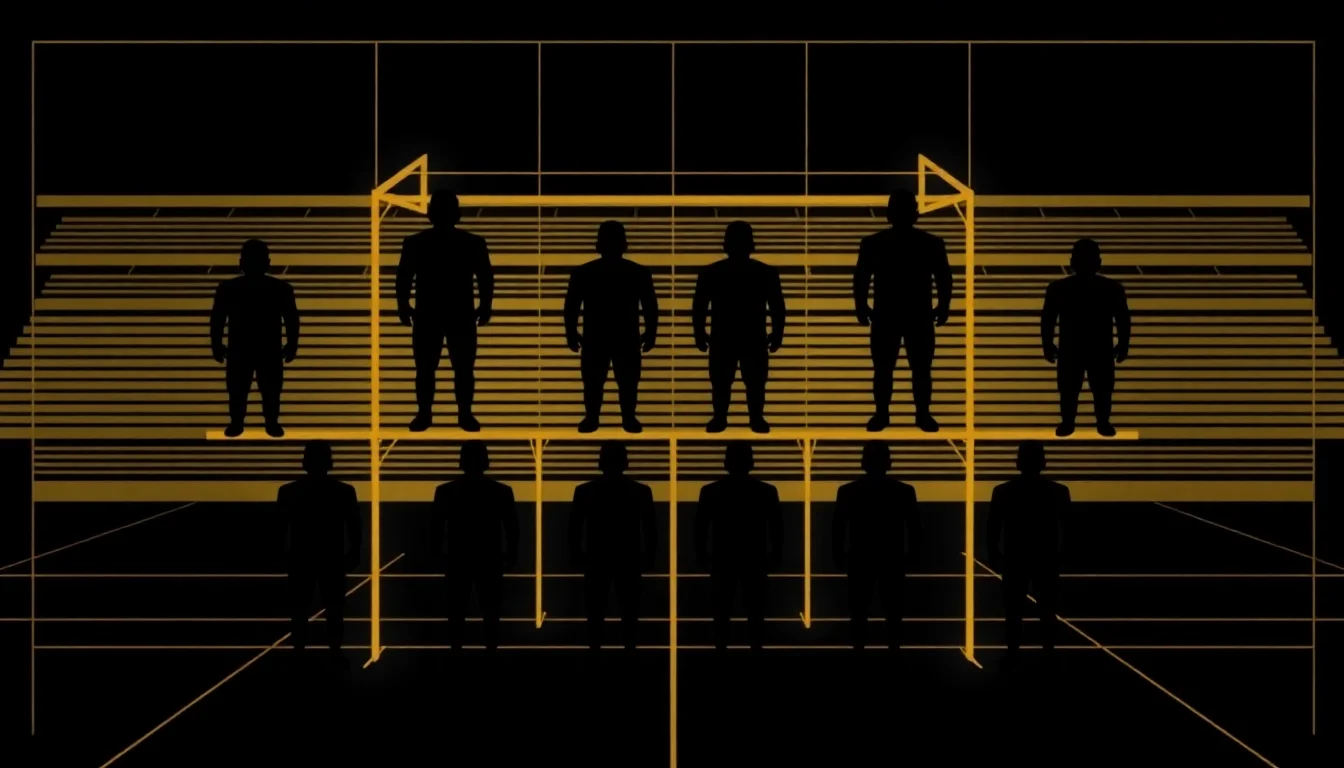
Germany's squad depth ends the 2026 tournament debate
Twelve players under 25 in core positions is not a gamble — it is a structural advantage no other nation has built.
Germany wins the 2026 tournament on squad depth alone
Seven multi-position players and a 48-team fixture load make Germany structurally unbeatable.
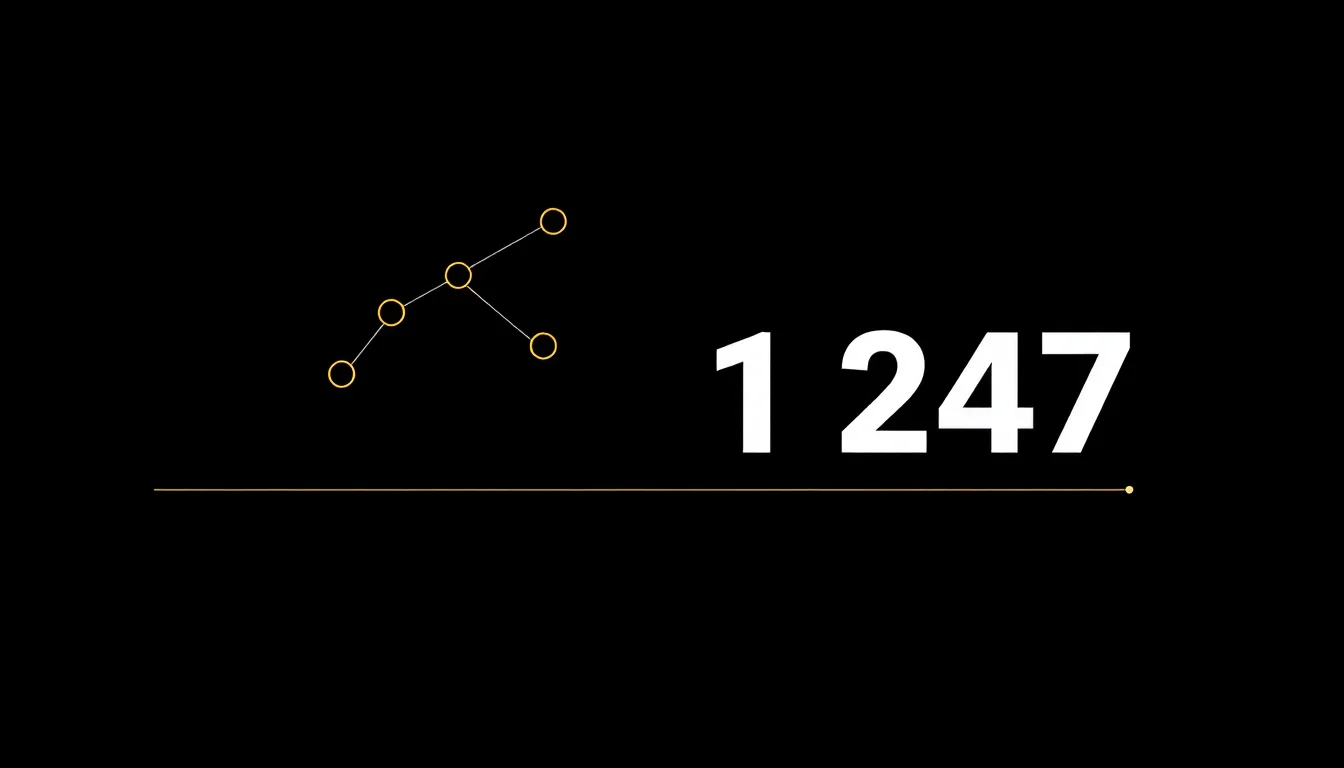
Germany's midfield rebuild won't close the tactical gap in time
360 shared minutes versus 1,247: Germany's midfield is not ready for knockout football.